


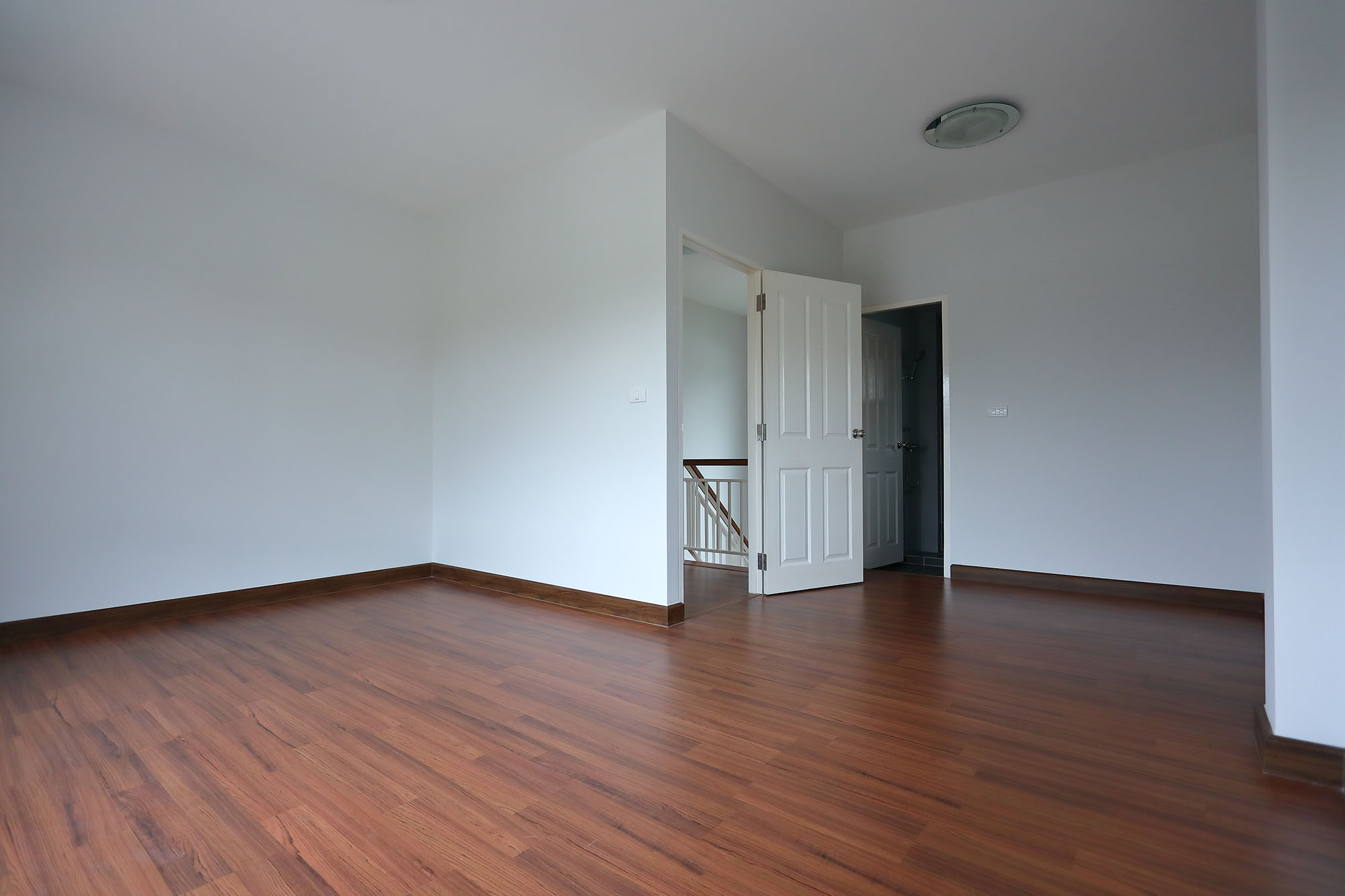
Every winter, laminate flooring gets blamed for static shocks that are really caused by something else entirely happening in the home. It is an easy assumption to make, since the shock happens right after walking across the floor, but the real driver is indoor humidity, and that distinction matters because it changes what actually fixes the problem. Understanding the real cause helps homeowners stop chasing the wrong solution and start addressing what is genuinely going on.
This is one of those situations where the flooring gets the blame, but the furnace running nonstop through an Illinois winter is doing most of the work.
Why Winter Air Makes This Worse Regardless Of Floor Type
Cold outdoor air holds very little moisture, and once that air is pulled into a home and heated by a furnace, its relative humidity drops even further, sometimes down to 15 or 20 percent in a well heated house during the coldest stretches of an Illinois winter. Dry air is a poor conductor of electricity, which means static charge that would normally dissipate quietly into more humid air instead builds up on a person's body as they walk.
This same effect happens on carpet, tile, and hardwood too, though the sensation can feel more noticeable on a smooth surface like laminate simply because of the type of footwear friction involved. The floor is really just the last step in a chain of events that started with dry winter air, not the root cause on its own.
What Actually Happens As You Walk Across The Floor
Friction between shoes, socks, or even bare feet and the flooring surface transfers electrons and builds up a static charge on the body. In humid conditions, that charge slowly bleeds away into the air as you walk, but in dry winter air, it has nowhere to go, so it keeps building until it discharges all at once the moment you touch a grounded object like a doorknob or a light switch.
Certain sock materials, particularly synthetic blends, actually generate more charge through this friction than natural fibers like wool or cotton, which is why some people notice the shock happens more with specific socks or slippers than others, regardless of which room they are walking across.
Why Humidity Control Is The Real Fix
Bringing indoor relative humidity back up into the 30 to 50 percent range, the same range generally recommended for comfort and for protecting wood based flooring from over drying, is what actually addresses static buildup at its source. A whole home humidifier attached to the furnace system is the most consistent solution, since it maintains humidity automatically throughout the heating season without requiring daily attention.
Portable humidifiers placed in frequently used rooms are a reasonable alternative for homes without a whole home system, though they require more regular refilling and only address humidity in their immediate area rather than the whole house. Either approach reduces static noticeably once humidity climbs back into a normal range, usually within a few days of consistent use.
A Few Small Habits That Help In The Meantime
Anti static spray, available at most hardware and home stores, can be applied directly to flooring or rugs and provides a temporary reduction in static buildup while humidity levels are being addressed more permanently. Switching to natural fiber socks and slippers during the driest winter months also makes a noticeable difference for a lot of households, since it reduces how much charge builds up in the first place.
Touching a metal object, like a doorframe or a lamp base, before reaching for a doorknob or light switch is a simple habit that discharges the static gradually rather than all at once, which takes away the shock without needing to change anything about the floor or the air.
Keeping Your Home Comfortable Through Winter
Static shock is a seasonal annoyance with a clear cause, and it has very little to do with which flooring is actually installed. Managing indoor humidity through the winter months addresses the real issue and comes with the added benefit of protecting wood based materials throughout the home at the same time.
McCullough’s Flooring can talk through flooring options and humidity considerations together, since the two are more connected than most homeowners realize when planning a winter friendly home.
If you are planning new flooring and want to understand how it performs through Illinois winters, browse our Laminate Flooring selection to see options suited to seasonal humidity swings. McCullough’s Flooring proudly serves Belleville, IL, Edwardsville, IL, O'Fallon, IL, Collinsville, IL, and Swansea, IL from Belleville, IL in Belleville, IL. Contact Us to talk through flooring and humidity planning for your home.


